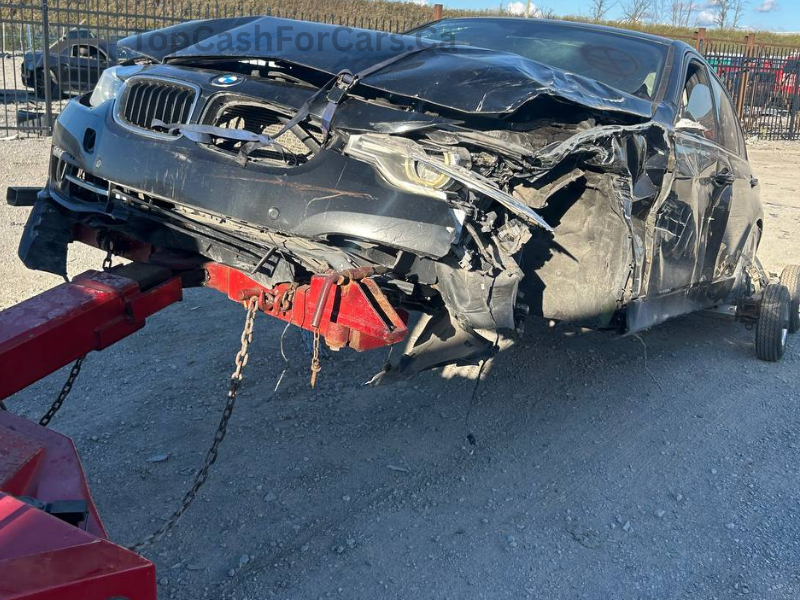
Imagine this: you’re driving, minding your own business, when another car runs a red light and slams into you. Ouch. Naturally, you expect the other driver to be fully responsible for the damages, right? But what if, in the split second before the crash, you were also looking at your phone? This is where things get tricky, and the concept of contributory negligence enters the picture. It’s a legal principle that, frankly, can feel like a real curveball in an accident claim.
For many people, the idea that they could be partly to blame for an accident where someone else clearly committed a traffic violation is baffling. It’s like being punished for being a passenger in your own misfortune. But in certain legal jurisdictions, it’s a very real defense that can drastically alter the outcome of an injury lawsuit. Understanding it isn’t just about legal jargon; it’s about protecting your rights and ensuring you get the compensation you deserve, or at least understanding why you might not.
What Exactly is Contributory Negligence?
At its core, contributory negligence is a legal doctrine that says if you, the injured party, contributed to your own injuries through your own carelessness, you might not be able to recover any damages from the other party. Think of it as a legal “you too” defense. The other side is arguing, “Yes, I may have been negligent, but you were negligent too, and your negligence helped cause your own harm.”
This is a pretty harsh rule, and thankfully, it’s not the standard in every state. Most jurisdictions have moved towards a more common system called “comparative negligence,” which we’ll touch on. But in the states that still adhere to pure contributory negligence, if a jury finds you even 1% at fault, you get absolutely nothing. Zip. Nada. It’s a stark reminder that in the legal world, responsibility can sometimes be a two-way street, even when you feel like the primary victim.
How Does It Play Out in Real Life?
Let’s revisit our distracted driving scenario. Suppose the other driver was indeed speeding and blew through a red light. However, the jury also finds that you were texting and failed to brake or swerve when you had a reasonable opportunity to do so. If you’re in a pure contributory negligence state, and the jury determines your texting contributed even a small amount to the severity of your injuries, your claim could be completely barred.
It’s not just about traffic accidents, either. This principle can pop up in all sorts of personal injury cases:
Slip and Fall Accidents: If you slip on a wet floor in a store, but you were running and not paying attention to the “wet floor” signs, your own actions could be considered.
Defective Products: If you misuse a product in a way that’s clearly against instructions and that misuse directly leads to your injury, the manufacturer might argue contributory negligence.
Medical Malpractice: While rarer, in some contexts, if a patient doesn’t follow post-operative instructions and that exacerbates their condition, it could be raised as an issue.
A lot of what makes when your own actions matter: understanding contributory negligence interesting only shows up once you spend real time with it. Much of it ties back to fault, an area thesindi.com also spends time exploring. It adds some useful context either way.
The key question is always: did the injured party act with reasonable care for their own safety? If the answer is no, and their lack of care played a role in their injury, contributory negligence becomes a significant hurdle.
The Harsh Reality: Where Contributory Negligence Still Reigns
It’s important to know that only a handful of U.S. states still follow the strict rule of pure contributory negligence. These are typically Alabama, Maryland, North Carolina, South Carolina, Virginia, and the District of Columbia. If you’re involved in an incident in one of these locations, understanding this doctrine is absolutely paramount.
In these states, proving that the other party was solely at fault is crucial. Any hint of your own fault, no matter how minor, can be fatal to your claim. This is why it’s so vital to consult with an attorney experienced in the specific laws of the jurisdiction where your accident occurred. They can guide you through the nuances and advise on the best strategy.
Shifting Tides: The Rise of Comparative Negligence
Because pure contributory negligence is so unforgiving, many states adopted a more equitable system called comparative negligence. This is a much more common approach and aims to apportion fault proportionally. There are a few variations:
Pure Comparative Negligence: Here, you can recover damages even if you are mostly at fault, but your recovery is reduced by your percentage of fault. So, if you’re 90% at fault, you can still recover 10% of your damages. This is found in states like New York and California.
Modified Comparative Negligence (50% Rule): In these states, you can recover damages as long as your fault is not greater than the defendant’s fault. If you are 50% at fault or less, you can recover. If you’re 51% at fault, you get nothing.
Modified Comparative Negligence (51% Rule): This is similar, but you can recover damages only if your fault is less than the defendant’s fault. If you are 50% at fault and they are 50% at fault, you can still recover. But if you are 51% at fault, you recover nothing.
The distinction between these comparative negligence rules might seem subtle, but it can make a huge difference in the amount of compensation you receive. It’s a fairer system, in my opinion, because it acknowledges that most accidents involve a confluence of factors and a shared degree of responsibility.
Protecting Yourself: What You Can Do
So, what’s a person to do when faced with the potential of contributory negligence?
- Be Vigilant and Cautious: This is the most fundamental advice. Always pay attention to your surroundings, follow traffic laws, and act responsibly. This not only keeps you safer but also strengthens your position if an accident does occur.
- Document Everything Immediately: After an accident, gather as much information as possible. Take photos of the scene, get contact information from witnesses, and note down your recollection of events while it’s fresh.
- Seek Prompt Medical Attention: Even if you feel fine, some injuries aren’t immediately apparent. Getting checked out by a doctor creates a crucial record linking your condition to the incident.
- Consult an Experienced Personal Injury Attorney: This is non-negotiable, especially if you are in a contributory negligence state or if fault is unclear. An attorney can assess your case, explain the specific laws of your jurisdiction, and build a strong defense against any claims of your own negligence. They can help distinguish between genuine contributory negligence and mere speculation by the other party.
- Be Honest and Forthright: Don’t try to hide any actions you might have taken that could be construed as negligent. Your attorney needs the full picture to represent you effectively.
Final Thoughts
Contributory negligence is a legal concept that, while harsh in its purest form, underscores the importance of personal responsibility. While comparative negligence systems offer a more balanced approach, the underlying principle remains: your actions can indeed impact your ability to recover damages after an injury.
Navigating the aftermath of an accident is stressful enough without having to worry about being blamed for your own misfortune. By understanding this doctrine, knowing where it applies, and taking proactive steps to protect yourself, you can face such challenges with greater confidence and clarity. Remember, legal battles are complex, and having knowledgeable guidance is your best defense.