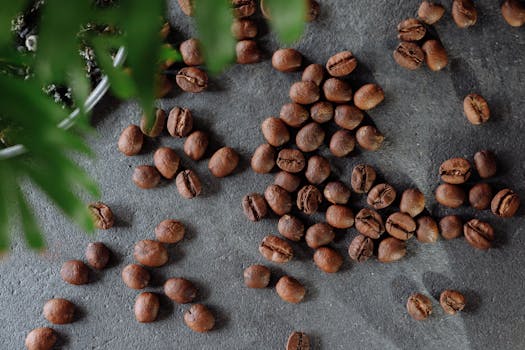
Let’s cut to the chase: when it comes to coffee, the notion that “best beans are often single-origin” isn’t just marketing hype. It’s a fundamental truth rooted in the very nature of how coffee is grown, processed, and ultimately, how it tastes. But what does “single-origin” actually mean for your cup, and more importantly, how can you leverage this knowledge to consistently brew better coffee? Forget the vague pronouncements; we’re diving into the practicalities that make single-origin beans a cornerstone of exceptional coffee.
The Power of Place: What “Single-Origin” Truly Signifies
At its core, single-origin coffee refers to beans sourced from a specific geographical location. This could be an entire country, a particular region within a country, a specific farm, or even a single micro-lot on that farm. This specificity is precisely what gives single-origin coffees their distinct character.
Think of it like wine or olive oil. A Cabernet Sauvignon from Napa Valley tastes fundamentally different from one grown in Bordeaux, right? The same principle applies to coffee. Soil composition, altitude, climate, rainfall, and even the specific varietal of coffee plant all contribute to a unique flavor profile. When you buy single-origin, you’re not just buying coffee; you’re buying a taste of that specific terroir. This direct link between place and flavor is why the best beans are often single-origin.
Beyond the Blend: Why Isolation Breeds Excellence
Blends, while often delicious and consistent, are like a carefully curated orchestra. Each instrument plays its part to create a harmonious whole. However, sometimes you want to hear the solo performance of a particular instrument, showcasing its unique timbre and virtuosity. That’s where single-origin shines.
When a roaster decides to highlight a single-origin bean, they’re often doing so because that bean possesses exceptional characteristics that stand out on their own. They’re not trying to mask any flaws or balance out a less remarkable component with others. Instead, they’re celebrating the inherent quality and distinct flavor notes that are unique to that particular harvest from that specific location. This focus on purity allows the inherent sweetness, acidity, and aromatic complexity to truly sing. It’s a bold move, and one that’s usually reserved for beans that have truly earned the spotlight.
Practical Steps to Tasting Single-Origin Superiority
So, how do you translate this into a better coffee experience? It’s simpler than you might think.
- Read the Label – Really Read It: Don’t just glance at “Ethiopia.” Look for more specific information: Was it from Yirgacheffe? Sidamo? Even better, a specific farm or cooperative? The more precise the origin, the more distinct the flavor profile is likely to be. This is your first clue that you might be holding one of the best beans are often single-origin.
- Understand the Flavor Notes: Roasters will typically provide tasting notes. These aren’t just random adjectives; they’re clues. If it says “floral,” “citrus,” and “tea-like,” expect a brighter, more delicate cup. If it lists “chocolate,” “caramel,” and “nutty,” you’re likely in for a richer, more full-bodied experience.
- Experiment with Brewing Methods: Different brewing methods highlight different aspects of a coffee. A light, acidic Kenyan single-origin might shine in a pour-over, accentuating its bright fruit notes. A denser Brazilian bean with chocolatey undertones might be fantastic as espresso, bringing out its inherent sweetness and body.
- Ask Your Roaster: Good roasters are passionate about their beans. Don’t hesitate to ask them about their single-origin offerings. They can tell you about the farm, the processing method, and what makes that particular bean special.
Decoding Processing Methods: Another Layer of Flavor
It’s crucial to remember that origin is only part of the story. How the coffee cherry is processed after picking also dramatically impacts the final flavor. Two identical beans from the same farm can taste worlds apart depending on whether they were washed, natural processed, or honey processed.
Washed Process: Generally results in a cleaner, brighter cup with more pronounced acidity, allowing the origin’s characteristics to be more transparent.
Natural Process: Dried with the cherry intact, leading to more fruit-forward, often wine-like, or even boozy flavors. This method can amplify sweetness and body.
Honey Process: A middle ground where some of the mucilage (the sticky layer between the cherry skin and the bean) is left on during drying. This often imparts a balance of sweetness, body, and distinct fruit notes.
A lot of what makes unpacking the myth: why “best beans are often single-origin” holds water interesting only shows up once you spend real time with it. origin plays into this too, which is part of what thesindi.com focuses on. It adds some useful context either way.
When exploring why best beans are often single-origin, understanding these processing methods adds another critical dimension to your appreciation.
Beyond the Hype: When Blends Still Reign Supreme
While single-origins offer unparalleled transparency and often exceptional quality, that doesn’t mean blends are inherently inferior. Expertly crafted blends can achieve a balance, complexity, and consistency that a single origin might not possess. A master blender can combine beans from different origins and processing methods to create a flavor profile that is more nuanced, richer, or simply more suited to a specific brewing method (like espresso, where a blend often provides a more stable crema and balanced flavor).
However, the argument for best beans are often single-origin* remains strong for those seeking to explore the unadulterated essence of a coffee’s birthplace. It’s about tracing the lineage of your coffee’s flavor back to its roots.
Final Thoughts: Your Next Flavor Adventure Awaits
The next time you’re reaching for a bag of coffee, consider making it a single-origin. Don’t just pick one at random; engage with the information on the bag, understand the processing, and be open to discovering new flavor profiles. Start with a region you’ve never tried before, or revisit a familiar one processed differently. Your journey into truly appreciating the nuanced world of coffee begins with understanding where it comes from. Take the plunge and taste the difference that place makes.