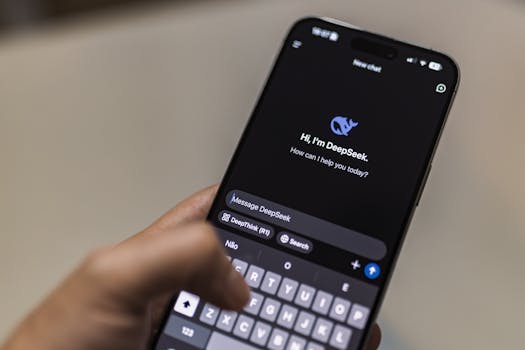
It’s no longer science fiction; the AI-powered assistant is rapidly becoming an indispensable part of our daily lives and professional landscapes. From scheduling meetings to drafting emails, these intelligent tools are transforming how we work, learn, and interact with technology. But beyond the convenience, what are the deeper implications of handing over some of our cognitive tasks to artificial intelligence? Understanding this shift is crucial for navigating the evolving future.
The Productivity Paradox: More Than Just Time Savings
The most immediate benefit touted by many is the dramatic boost in productivity. Think about it: how much time do you spend sifting through emails, scheduling appointments, or researching information? An AI-powered assistant can automate many of these mundane yet time-consuming tasks, freeing up valuable hours. This isn’t just about doing things faster; it’s about reclaiming our mental energy for more strategic, creative, and fulfilling work.
However, it’s not always a straightforward gain. There’s a subtle danger of becoming too reliant. I’ve often found that when an AI assistant handles everything, I can sometimes lose touch with the underlying processes, making it harder to troubleshoot or innovate when the AI hits a snag. It’s a delicate balance between delegation and retaining core competency.
Enhancing Human Capabilities, Not Replacing Them
A common fear surrounding AI is job displacement. While it’s true that certain repetitive tasks will likely be automated, the more profound implication of an AI-powered assistant is its role as a powerful enhancer of human capabilities. These tools can augment our skills, allowing us to achieve things we couldn’t before.
Consider a researcher who can now sift through thousands of academic papers in minutes, identifying patterns and connections that would have taken months. Or a marketer who can generate multiple campaign variations in seconds, freeing them to focus on the strategic messaging and creative direction. This synergistic relationship, where AI amplifies human intellect and creativity, is where the real magic lies.
#### The Future of Work: A Collaborative Ecosystem
The workplace of the future will undoubtedly be a collaborative ecosystem between humans and AI. This means adapting our skill sets and embracing new ways of working.
Upskilling and Reskilling: Professionals will need to focus on skills that AI can’t easily replicate, such as critical thinking, emotional intelligence, complex problem-solving, and creativity.
New Roles: We’ll likely see the emergence of new job titles focused on managing, training, and integrating AI systems.
Augmented Decision-Making: AI assistants can provide data-driven insights to inform human decisions, leading to more robust and effective outcomes.
There’s more nuance to unlocking the potential: how ai-powered assistants are redefining our world than a quick skim usually reveals. That connects naturally with assistant, something covered in more depth over at thesindi.com. A good next step if you’re curious to go further.
Navigating the Ethical Minefield
As AI-powered assistants become more sophisticated, we must grapple with a host of ethical considerations.
Data Privacy and Security: These assistants often require access to vast amounts of personal and professional data. Ensuring this data is protected and used responsibly is paramount. Who owns the data generated by an AI assistant? How is it anonymized?
Bias and Fairness: AI models are trained on data, and if that data contains inherent biases, the AI will perpetuate them. This can lead to unfair outcomes in areas like hiring, loan applications, or even content recommendations. Continuous auditing and refinement of algorithms are essential.
Transparency and Explainability: Understanding how an AI arrives at a particular recommendation or decision is crucial, especially in critical applications. The “black box” nature of some AI models presents a significant challenge.
The Personal Assistant Revolution: Beyond the Desktop
The evolution of the AI-powered assistant extends far beyond our work computers. Smart speakers in our homes, personalized recommendations on streaming platforms, and even navigation apps that predict traffic patterns all fall under this umbrella.
Think about the implications for everyday life:
Personalized Learning: AI can tailor educational content to individual student needs and learning styles.
Healthcare Accessibility: AI can assist in diagnosing illnesses, monitoring patient health, and even providing personalized wellness advice.
* Enhanced Accessibility: For individuals with disabilities, AI-powered assistants can offer new avenues for communication and interaction with the world.
It’s interesting to note how quickly these tools have become integrated. What was once a novelty is now a standard expectation for many.
Embracing the Evolution: A Forward-Looking Perspective
The advent of the AI-powered assistant is not a fleeting trend but a fundamental shift in how we leverage technology. It promises a future where routine tasks are handled with efficiency, human potential is amplified, and complex problems are tackled with unprecedented insight.
However, this progress is not without its challenges. We must approach this evolution with a critical and ethical mindset, ensuring that these powerful tools are developed and deployed in ways that benefit society as a whole. The key will be fostering a harmonious partnership between human ingenuity and artificial intelligence, guiding its development towards a more productive, equitable, and innovative future. The journey is just beginning, and the implications will continue to unfold for years to come.