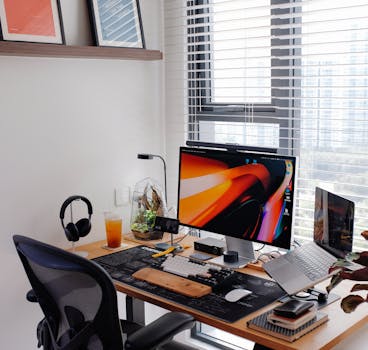
Let’s be honest, the “standing desk” has been around for a while, right? We’ve all seen those pictures of minimalist offices with people perched on their feet, looking all productive. And sure, the idea of ditching your chair for health reasons makes sense on paper. But what if I told you that the real magic of a standing desk isn’t just about not sitting? It’s about how it can fundamentally change your energy levels, your focus, and even your mood throughout the day. Forget the tired old narrative of “sitting is the new smoking”; let’s talk about what actually happens when you integrate a standing desk into your life.
Beyond the Hype: What’s Really Going On?
So, why all the fuss about standing desks? It’s not just a fad for people who want to feel virtuous. The core idea is simple: our bodies aren’t designed for prolonged sitting. When we sit for hours on end, our metabolism slows down, our posture often suffers, and we can end up feeling sluggish and drained. A standing desk offers a simple yet profound shift. It encourages more movement, even subtle movements like shifting your weight or pacing a little. This increased activity can have a cascade of positive effects.
Think about it: when you’re standing, you’re naturally engaging more muscles. This subtle engagement boosts circulation, meaning more oxygen is getting to your brain. And a brain with more oxygen is a brain that’s ready to tackle tasks with renewed vigor and clarity. It’s not about standing ramrod straight for eight hours; it’s about introducing periods of standing to break up the monotony and stagnation of constant sitting.
Finding Your Groove: Making the Switch Work for You
The biggest hurdle for most people isn’t the idea of a standing desk, but the execution. It’s easy to go from 0 to 60 and end up with sore feet and a feeling of “I told you so.” The trick is gradual integration and finding what feels right for your body and your workflow.
Start Slow: Don’t feel pressured to stand all day from day one. Begin with 30-minute intervals. Set a timer, stand for your allotted time, then sit for a while. Gradually increase your standing periods as your body adjusts.
Listen to Your Body: This is crucial. If your feet ache, your back feels strained, or you’re just plain uncomfortable, it’s time to sit. Pushing through pain is counterproductive.
Invest in Comfort: A good anti-fatigue mat is your best friend. Seriously, it makes a world of difference. Comfortable, supportive shoes are also a must.
Vary Your Posture: Standing doesn’t mean being rigid. Shift your weight, stretch your legs, maybe even do a few calf raises. The goal is movement, not just static standing.
The Surprising Benefits: More Than Just Fewer Backaches
While reducing back pain is a huge perk for many, the advantages of incorporating a standing desk extend much further. I’ve personally found that my afternoon slump has significantly diminished since I started using one.
Boosted Energy Levels: As I mentioned, better circulation means more oxygen to the brain. This translates into feeling more awake and alert throughout the day, especially during those post-lunch hours when fatigue often strikes.
Improved Focus and Productivity: When you’re not battling drowsiness or physical discomfort, it’s much easier to concentrate on the task at hand. Many users report a noticeable increase in their ability to stay focused for longer periods. This can be a game-changer for tasks requiring deep work.
Enhanced Mood: Moving more simply makes you feel better. The subtle physical activity can release endorphins, leading to a more positive outlook and a reduction in stress. It’s a subtle but powerful mood elevator.
Potential for Calorie Burn: While it’s not a replacement for exercise, standing burns more calories than sitting. Over time, this can contribute to weight management goals.
Better Blood Sugar Control: Studies have shown that alternating between sitting and standing can help regulate blood sugar levels, particularly after meals. This is a significant benefit for overall metabolic health.
It’s easy to skim past unlock your day: the standing desk revolution you haven’t heard about, but there’s a fair bit worth unpacking there. There’s a related thread around sitting that thesindi.com explores in more detail. It’s a useful angle if this topic interests you.
Beyond the Basic Desk: Finding the Right Fit
The world of standing desks has exploded, offering more options than ever before. Gone are the days of clunky, manual crank desks. Today, you have choices that cater to different budgets and needs.
Electric Standing Desks: These are the most popular for a reason. With the push of a button, you can smoothly adjust your desk height. They offer convenience and precision. Many come with memory presets, so you can easily switch between your preferred sitting and standing heights.
Manual Crank Desks: If you’re on a tighter budget or prefer a simpler mechanism, a manual crank desk can be a great option. They require a bit more effort to adjust but are often very durable.
Desk Converters (or Risers): Don’t want to replace your entire desk? A desk converter sits on top of your existing desk and allows you to elevate your monitor and keyboard. They’re a fantastic entry point into the standing desk world, offering flexibility and a lower initial investment.
When choosing, consider the size of your workspace, the weight of your equipment (monitors, etc.), and your aesthetic preferences. A desk that’s too small might feel cramped, while one that’s too large might overwhelm your space.
The Long Game: Integrating Movement Into Your Day
Ultimately, a standing desk is a tool, not a magic bullet. Its true power lies in how it facilitates a more active lifestyle throughout your workday. It’s about creating a dynamic workspace where you can transition between sitting and standing, moving and focusing, as your needs change.
Don’t think of it as an all-or-nothing proposition. It’s about creating a healthier relationship with your work environment, one that supports your physical and mental well-being. The goal is to break free from the sedentary rut and unlock a more energized, focused, and enjoyable workday.
Final Thoughts: Your First Step Towards a More Dynamic Workday
If you’re feeling that familiar afternoon slump or simply want to inject more movement into your daily routine, consider making the switch. Start with a simple desk converter, set a timer, and begin listening to your body. The journey to a more energized and productive you might just start with changing your perspective – and your altitude.