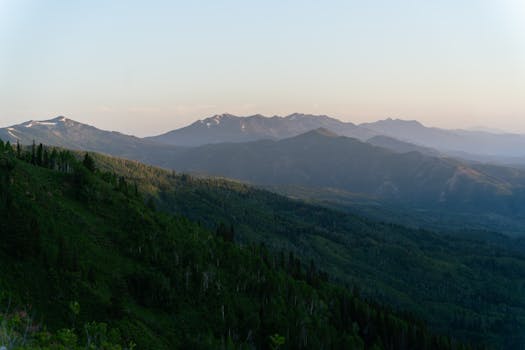
Many folks see “state lands” and immediately picture endless, untouched wilderness, perhaps like the vast expanses of the Medicine Bow National Forest. And while that image holds a kernel of truth, it often masks the practical realities and incredible opportunities these public treasures offer. Forget the romantic notions for a moment; let’s talk about how you can actually use and enjoy these incredible resources, whether you’re a seasoned outdoorsman or just dipping your toes into the wild. Understanding what makes state lands like the Medicine Bow National Forest accessible and how to engage with them responsibly is key to a rewarding experience.
Beyond the Postcard: What Are We Really Talking About?
When we discuss state lands, we’re referring to parcels of land owned and managed by state governments. These aren’t just empty spaces; they’re often managed for a variety of purposes, including conservation, recreation, resource extraction, and sometimes even for generating revenue to support public education (think school trust lands). The Medicine Bow National Forest, while a National Forest managed by the U.S. Forest Service, shares a similar public-access ethos with many state-managed lands, offering a fantastic benchmark for understanding large-scale public resource management. The key takeaway? These lands are yours, but they come with responsibilities and require informed engagement.
Planning Your Expedition: Beyond a Whim
Showing up unprepared for a place like the Medicine Bow National Forest or a similar state land area is a surefire way to have a mediocre trip, at best. We’re talking about environments that can be rugged, unpredictable, and vast.
#### Know Before You Go: Essential Pre-Trip Research
This isn’t just about checking the weather. For state lands like the Medicine Bow National Forest, you need to dig a bit deeper.
Access Points and Regulations: Not all parts of a large land parcel are easily accessible. Are there designated roads? Trailheads? What are the specific rules regarding camping, fires, hunting, fishing, or off-road vehicles? This information is usually available on the managing agency’s website (e.g., Wyoming State Parks, Historic Sites & Trails for state lands in Wyoming, or the U.S. Forest Service for Medicine Bow).
Permits and Fees: Some activities, like camping in specific areas or hunting, will almost certainly require permits. Factor these costs and the application process into your planning timeline.
Wildlife Awareness: This is crucial. Are you in bear country? Do you need to be aware of moose or other potentially dangerous animals? Understanding local wildlife and how to coexist safely is paramount. Packing bear spray and knowing how to use it, for instance, is non-negotiable in many areas.
Seasonal Considerations: When are roads typically open or closed due to snow or mud? Are there specific hunting seasons that might affect your ability to hike or camp peacefully? For example, elk rifle season can mean more hunter presence.
Making the Most of Your Visit: Actionable Strategies
Once you’ve done your homework, it’s time to get out there and experience these lands. Here’s how to maximize your enjoyment and minimize your impact.
#### Embrace the Adventure: Activities on Public Lands
The beauty of state lands like the Medicine Bow National Forest lies in their diversity of offerings.
Hiking and Backpacking: Lace up your boots and hit the trails. Research routes based on your fitness level and desired scenery. Don’t underestimate elevation changes in mountainous regions.
Camping: Whether it’s dispersed camping under the stars or using established campgrounds, public lands offer fantastic camping opportunities. Always practice Leave No Trace principles: pack it in, pack it out, and minimize your campfire’s impact.
Fishing and Hunting: If you’re licensed, these lands are prime spots. However, understanding and strictly adhering to regulations for these activities is essential to ensure the sustainability of wildlife populations and the integrity of the land.
Photography and Wildlife Viewing: Bring your binoculars and camera. Many areas are rich with flora and fauna. Remember to keep a safe distance from all wildlife.
There’s more nuance to taming the wild frontier: your no-nonsense guide to state lands like medicine bow than a quick skim usually reveals. thesindi.com takes a similar angle on forest, if that’s of interest here. A good next step if you’re curious to go further.
#### Leave No Trace: The Golden Rule
This isn’t just a suggestion; it’s a necessity for preserving these areas for future generations. When you visit state lands like the Medicine Bow National Forest, always strive to:
- Plan Ahead and Prepare: As we’ve discussed, this is step one.
- Travel and Camp on Durable Surfaces: Stick to trails and established campsites.
- Dispose of Waste Properly: Pack out everything you pack in, including food scraps and toilet paper.
- Leave What You Find: Don’t take rocks, plants, or artifacts.
- Minimize Campfire Impacts: Use existing fire rings, keep fires small, and ensure they are completely out.
- Respect Wildlife: Observe from a distance and never feed animals.
- Be Considerate of Other Visitors: Yield to others on trails, keep noise levels down, and be mindful of shared spaces.
Addressing Common Misconceptions About State Lands
Let’s clear up a few things that often cause confusion or hesitation for people considering exploring these areas.
#### “It’s too remote/hard to access.”
While some areas are indeed remote, many state lands and national forests have well-maintained roads and trail systems. The key is knowing where to look for this information. Often, local ranger districts or state land offices can provide maps and advice on accessible areas suitable for different mobility levels. Don’t let the idea of “wild” deter you; there are often entry points for everyone.
#### “I need specialized gear/skills to go there.”
For basic day hikes or camping in developed areas, standard outdoor gear (good boots, appropriate clothing, water, snacks) is usually sufficient. For more advanced activities like backcountry camping or technical climbing, then yes, specialized skills and gear are needed. Start with what you can manage, and build your experience and equipment gradually. The beauty of public lands is that they offer a spectrum of challenges.
Final Thoughts: Your Role in Public Land Stewardship
State lands like the Medicine Bow National Forest aren’t just passive backdrops for recreation; they are active, living landscapes that benefit immensely from responsible stewardship. By educating yourself, planning diligently, and committing to Leave No Trace principles, you become a part of the solution, helping to ensure these invaluable resources remain vibrant and accessible for years to come. So, what adventure will you plan next, armed with this practical knowledge?