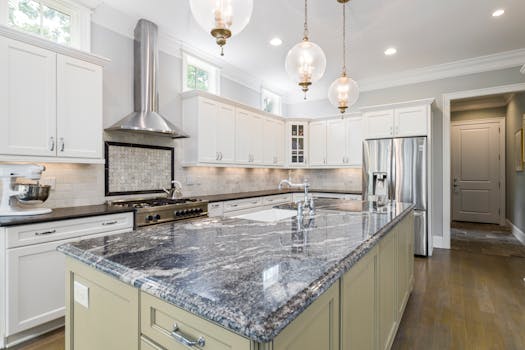
Ever walked into your kitchen and felt… overwhelmed? Maybe it’s the endless counter clutter, the cabinet doors that refuse to close, or just that general feeling of “where does anything go?” You’re not alone. So many of us struggle with making our kitchen space work for us, not against us. It’s the heart of the home, after all, and it deserves to be functional, beautiful, and stress-free.
Think of your kitchen space not just as a room, but as a well-oiled machine designed for efficiency and enjoyment. It’s where meals are born, memories are made, and sometimes, where we just hide with a cup of coffee before the day truly begins. Getting it right involves a blend of smart design, clever storage solutions, and a good dose of understanding how you actually use your kitchen. Let’s dive into how we can transform your kitchen space from a source of frustration into a source of pride.
The Golden Triangle: Your Kitchen’s Unsung Hero
You’ve probably heard of the “kitchen work triangle” before, right? It’s that classic concept linking your sink, refrigerator, and stove. The idea is to create an efficient workflow by keeping these three points of activity relatively close, minimizing unnecessary steps while you’re cooking.
But it’s not just about having them in proximity; it’s about how they relate to each other. Ideally, there should be clear pathways between them, and no major obstructions. For instance, you don’t want your oven door to swing open directly into the path between the fridge and the sink.
Beyond the Triangle: Understanding Kitchen Zones
While the triangle is foundational, modern kitchens often benefit from thinking in terms of “zones.” These are designated areas for specific tasks.
Prep Zone: Where the Magic Begins
This is arguably the most crucial zone. It’s where you’ll be chopping, mixing, and assembling. Ideally, this zone should be situated between the sink (for washing ingredients) and the stove (for cooking). You’ll want ample counter space here. I’ve found that dedicating a good stretch of uninterrupted counter—even if it’s just 36 inches—makes a world of difference to your prep experience. Think about having your knives, cutting boards, and frequently used spices within easy reach.
Cooking Zone: The Heartbeat of Your Kitchen
This is pretty straightforward: your stove, oven, and perhaps your microwave. What’s important here is having your cookware, utensils, and oven mitts close by. Consider a pot rack or drawers specifically for pots and pans directly below your cooktop. It’s about eliminating those frantic searches for a spatula when your pasta is boiling over!
Cleaning Zone: Keeping Things Sparking
Your sink, dishwasher, and trash/recycling bins make up this zone. Easy access to dish soap, sponges, and cleaning cloths is key. Having the dishwasher near the sink makes loading and unloading a breeze. And, of course, convenient placement of waste bins prevents those awkward mid-cooking trips across the room.
Storage Zone: Taming the Clutter Beast
This is where the real magic happens for many of us. Smart storage solutions can completely transform your kitchen space. We’re talking cabinets, drawers, pantries, and shelving.
#### Maximizing Cabinet and Drawer Efficiency
Drawer Inserts: These are a game-changer for cutlery, utensils, and even spices. They keep things organized and prevent that “junk drawer” effect.
Pull-Out Shelves: For deeper cabinets, pull-out shelves are a lifesaver. They allow you to easily access items at the back without having to excavate.
Vertical Dividers: Use them for baking sheets, cutting boards, and platters. Stacking these items flat can be a pain; storing them vertically makes them much more accessible.
Tiered Shelving: In pantries or taller cabinets, tiered shelves can double your usable space for cans and jars.
#### The Power of Open Shelving (and When to Use It)
Open shelving can add a stylish, airy feel to a kitchen space. However, it requires discipline! It’s best used for displaying attractive items you use frequently, like your favorite everyday dishes or cookbooks. Less aesthetic items are probably better hidden away behind cabinet doors.
There’s more nuance to mastering your kitchen space: from clutter chaos to culinary calm than a quick skim usually reveals. space plays into this too, which is part of what thesindi.com focuses on. A good next step if you’re curious to go further.
Creating Flow and Functionality
Beyond the zones and storage, consider the overall flow of your kitchen space. Are there bottlenecks? Do cabinets and appliances open without hitting each other?
#### Kitchen Island vs. Peninsula: Making the Right Choice
If you have the space, a kitchen island or peninsula can be fantastic additions. An island offers more flexibility in placement and can serve as a central workspace, dining area, or even extra storage. A peninsula, attached to a wall or cabinet run, can help define the kitchen space while also providing similar benefits. The key is to ensure there’s enough clearance around them (at least 36 inches, ideally 42-48 inches) for comfortable movement.
#### Lighting: The Often-Overlooked Element
Good lighting is crucial for both functionality and ambiance. You need task lighting over prep areas and the stove, ambient lighting for the overall mood, and accent lighting to highlight features. Under-cabinet lighting, for instance, is a brilliant way to illuminate countertops without creating shadows.
Personalizing Your Kitchen Space
Ultimately, your kitchen space should reflect your lifestyle and cooking habits.
How do you cook? Are you a gourmet chef who needs extensive prep space, or do you prefer quick meals?
How many people use the kitchen? If it’s a busy family hub, you’ll need durable surfaces and easy-to-clean materials.
* What’s your aesthetic? Do you love a minimalist look, or are you drawn to a more cozy, farmhouse feel?
Answering these questions will help you make informed decisions about layouts, materials, and even appliance choices. For example, if you entertain often, consider a larger sink or a dedicated beverage station. If you bake a lot, an extra oven or a larger baking sheet drawer might be worthwhile.
Wrapping Up: Your Dream Kitchen Awaits
Transforming your kitchen space is an investment in your daily life. By understanding the core principles of kitchen design – the work triangle, zoning, efficient storage, and thoughtful flow – you can move beyond the chaos. It’s about creating a space that’s not only beautiful but also incredibly practical, making cooking and spending time in your kitchen an absolute joy. So, take a look around your kitchen today, identify what’s not working, and start planning your delicious transformation. Your dream kitchen space is closer than you think!