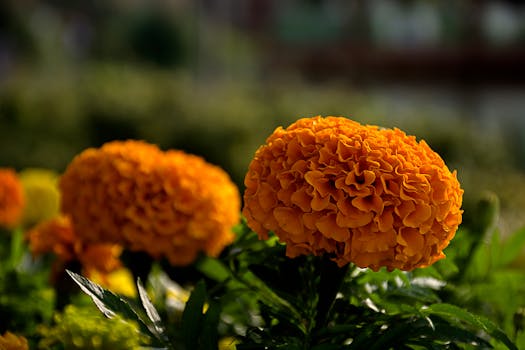
Ever gazed at a manicured lawn and wondered if there’s a more vibrant, less demanding way to connect with nature in your own backyard? The answer, I believe, lies in embracing the wild beauty and ecological wisdom of native plants. Implementing native plant gardens isn’t just about aesthetics; it’s a powerful act of ecological stewardship that yields profound rewards for both the gardener and the environment. It’s a shift from imposing our will on the land to collaborating with it, fostering a dynamic, resilient, and breathtakingly beautiful space.
The Compelling Case for Going Native
Why choose native plants over the familiar exotics often found in nurseries? The reasons are multifaceted and deeply impactful. Native plants are, by definition, species that have evolved over millennia in a specific region. This evolutionary history has equipped them with an unparalleled ability to thrive in local conditions. They’re perfectly adapted to the soil types, rainfall patterns, and climate of your area.
This adaptation translates directly into a low-maintenance garden. Once established, native plants generally require less watering, fertilizing, and pest control than their non-native counterparts. They’ve already got the genetic programming to handle local challenges. This isn’t just convenient for you; it’s crucial for the local ecosystem. Native plants provide the foundational food and shelter that local wildlife, from pollinators to songbirds, have evolved to depend on.
Your Blueprint for Success: Planning Your Native Oasis
Ready to embark on this rewarding journey? The first step in how to implement native plant gardens is thoughtful planning. Don’t just rush out and buy pretty flowers. Consider your site’s specific conditions.
Sunlight Exposure: Does the area receive full sun, partial shade, or deep shade?
Soil Type and Drainage: Is your soil clay, sandy, loamy? Does it hold water or drain quickly?
Moisture Levels: Is the area typically dry, consistently moist, or even prone to occasional flooding?
Available Space: How much room do you have to work with? This will influence the size and types of plants you select.
Once you have a clear understanding of your site, you can begin researching native plants that are suited to those conditions. Local native plant societies, extension offices, and reputable online resources are invaluable allies. Look for plants that bloom at different times of the year to ensure continuous color and nectar sources for pollinators.
Selecting the Right Palette: Choosing Your Native Stars
The sheer diversity of native plants is astounding, offering a palette as rich and varied as the landscapes they hail from. When considering how to implement native plant gardens, think about layering and texture.
Groundcovers: Low-growing species like native sedges or wild strawberries can suppress weeds and retain soil moisture.
Perennials: These form the backbone of your garden, offering seasonal blooms and foliage. Think coneflowers (Echinacea spp.), black-eyed Susans (Rudbeckia spp.), or asters (Symphyotrichum spp.).
Shrubs: Native shrubs such as serviceberry (Amelanchier spp.), elderberry (Sambucus spp.), or viburnum (Viburnum spp.) provide structure, habitat, and often delicious fruit.
Trees: If space allows, consider native trees like oaks (Quercus spp.) or maples (Acer spp.). They offer long-term ecological benefits and majestic beauty.
It’s also wise to incorporate a variety of plant forms – upright, mounding, spreading – to create visual interest. Don’t be afraid to mix and match; nature rarely plants in rigid rows!
It’s easy to skim past cultivating a living tapestry: why and how to implement native plant gardens, but there’s a fair bit worth unpacking there. thesindi.com takes a similar angle on plants, if that’s of interest here. It’s a useful angle if this topic interests you.
Planting with Purpose: The Art of Implementation
The actual act of planting is where your vision begins to take root. When you implement native plant gardens, the process is straightforward but requires attention to detail.
- Prepare the Site: Remove any existing turfgrass or aggressive weeds. A solarization method (covering the area with clear plastic during hot weather) can be effective without chemicals.
- Arrange Plants: Before digging, place your potted plants in their intended locations to visualize the final design. Consider their mature size to avoid overcrowding.
- Dig and Plant: Dig holes that are at least twice as wide as the plant’s root ball and just as deep. Gently loosen the roots if they are pot-bound. Place the plant in the hole so the top of the root ball is level with the surrounding soil.
- Backfill and Water: Fill the hole with the native soil, gently firming it around the roots. Water thoroughly to settle the soil and eliminate air pockets.
- Mulch: Apply a layer of organic mulch (like shredded bark or wood chips) around the plants, keeping it a few inches away from the stems. This helps retain moisture, suppress weeds, and regulate soil temperature.
The initial establishment period is critical. During the first year or two, regular watering will be necessary, especially during dry spells, to help your new plants develop a strong root system.
Nurturing Your Native Haven: Ongoing Care
One of the most appealing aspects of learning how to implement native plant gardens is that the long-term care is significantly less demanding than traditional gardening.
Watering: Once established, most native plants are drought-tolerant. Water deeply but infrequently, only during prolonged dry periods.
Weeding: While natives are vigorous, some competition from weeds can occur, especially in the first few years. Consistent, early weeding is key.
Pruning: Minimal pruning is usually needed. Remove dead or damaged branches as they appear. Some plants benefit from a light tidying in late winter or early spring before new growth begins.
Pest and Disease Management: Native plants are generally resistant to local pests and diseases. Healthy plants grown in the right conditions are your best defense. If issues arise, try to identify the cause and use the least toxic solutions possible.
I’ve often found that resisting the urge to “over-manage” is the best approach. Let the plants do their thing; they’ve been doing it successfully for centuries!
The Ripple Effect: Beyond Your Garden Borders
Implementing native plant gardens is an act that resonates far beyond your property line. You are creating a vital ecological corridor, a haven for local wildlife in an increasingly fragmented landscape. Butterflies will flock to your milkweed, bees will buzz around your coneflowers, and birds will find sustenance and shelter in your berry-laden shrubs. It’s an opportunity to witness the intricate dance of nature firsthand.
Furthermore, these gardens often lead to significant water savings and a reduction in the use of chemical pesticides and fertilizers, contributing to healthier local waterways and a more sustainable environment. The aesthetic rewards are undeniable too – a dynamic, ever-changing display of natural beauty that reflects the true spirit of your region.
Final Thoughts: Embrace the Journey
The most important piece of advice I can offer when you decide to implement native plant gardens is to start small if you feel overwhelmed. Begin with a small corner or a border, and gradually expand as you gain confidence and observe the incredible benefits. This isn’t a race; it’s a process of discovery and connection with the natural world. Your native garden will evolve, surprise you, and ultimately, become a source of immense pride and ecological contribution.