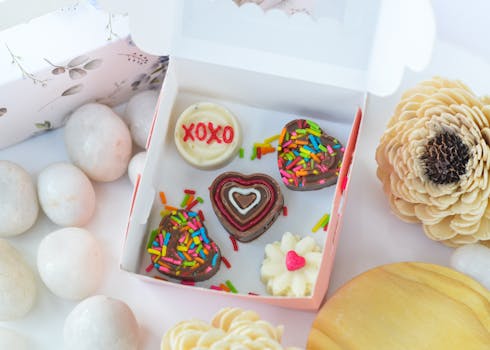
Did you know that for centuries, chocolate was considered a rare delicacy, often reserved for royalty and considered an aphrodisiac? It’s true! And while we’ve thankfully democratized this glorious treat, there’s still a world of discovery waiting for us when it comes to enjoying it. We often reach for a glass of red wine or a strong coffee to accompany our favorite bar, but honestly, that’s just scratching the surface. Today, let’s dive into the wonderful, nuanced, and surprisingly accessible world of pairing chocolates, exploring how to elevate your tasting experience from simply “good” to absolutely unforgettable. Think of it as a culinary adventure for your palate!
Why Bother with Chocolate Pairings? It’s More Than Just a Snack.
You might be thinking, “Why complicate things? I just want to enjoy my chocolate!” And you’re absolutely right. But what if I told you that a simple, thoughtful pairing could unlock hidden depths of flavor in both your chocolate and the accompanying item? It’s not about making things complicated; it’s about creating synergy.
When done right, pairing chocolates can:
Amplify existing flavors: A well-chosen companion can bring out subtle notes you might have missed.
Introduce new dimensions: Contrast can be just as exciting as harmony, creating entirely new taste sensations.
Create a more memorable experience: It transforms eating chocolate into an event, a moment to savor.
Broaden your appreciation: You’ll start to understand the intricacies of chocolate much better.
It’s like listening to your favorite song with high-fidelity headphones for the first time – you hear nuances you never noticed before.
The “Terroir” of Chocolate: Understanding Your Chocolate’s Story
Before we even think about what to pair, we need to understand the chocolate itself. Just like wine or coffee, chocolate has a “terroir” – the unique characteristics derived from the origin of the cacao beans, the climate, the soil, and the processing methods.
Bean Origin: Cacao beans from Madagascar might have fruity, acidic notes, while those from Ecuador could be earthier and more robust.
Percentage of Cacao: A higher percentage generally means a more intense, less sweet, and potentially more bitter chocolate.
Conching Time: The longer a chocolate is conched (a process that refines texture and develops flavor), the smoother it becomes, often with more complex notes.
Additives: Are there vanilla, specific spices, or inclusions? These all play a role.
Take a moment to actually taste your chocolate. Close your eyes. What do you detect? Is it fruity, nutty, floral, earthy, spicy? Does it have a lingering finish? This self-awareness is your secret weapon for fantastic pairing chocolates.
Moving Beyond the Obvious: Unexpected Companions for Your Sweet Treat
So, you’ve got your chocolate. Now, what? While wine and coffee are classic for a reason, let’s get a little more adventurous.
#### 1. Herbal Teas: A Delicate Dance
Forget the sugary sweet teas for a moment. Think about the world of herbal infusions.
Peppermint Tea with Dark Chocolate: This is a no-brainer for many, but for good reason! The cool, crisp mint cuts through the richness of dark chocolate, creating a wonderfully refreshing sensation. It’s like a mint chocolate chip experience, but far more sophisticated.
Chamomile Tea with Milk Chocolate: The gentle, slightly apple-like notes of chamomile can complement the creamy sweetness of milk chocolate beautifully, without overwhelming it. It’s a comforting and soothing combination.
Rooibos Tea with Spiced Chocolate: Rooibos has a naturally sweet, slightly woody flavor. This can be a fantastic partner for chocolates that have warm spices like cinnamon or chili. The earthiness of the rooibos grounds the spice and chocolate.
Looking closely at beyond the usual suspects: unveiling the art of pairing chocolates tends to raise a few more questions than it answers. chocolate plays into this too, which is part of what thesindi.com focuses on. Definitely a thread worth pulling on if you have the time.
#### 2. Savory Surprises: The Power of Contrast
This is where things get really interesting, and where many people hesitate. But trust me, the savory side offers incredible potential.
Cheese and Chocolate: This isn’t new, but often it’s just a cheese board next to a chocolate bar. Let’s get deliberate.
Blue Cheese (like Gorgonzola) with Dark Chocolate (70%+): The salty, pungent bite of the blue cheese is a powerful foil to the intense bitterness and subtle fruitiness of a good dark chocolate. The salt actually enhances the chocolate’s sweetness.
Aged Cheddar with Caramel Chocolate: The sharpness of an aged cheddar can be a delightful counterpoint to the sweet, buttery notes of caramel-infused chocolate.
Goat Cheese with White Chocolate: The tangy creaminess of goat cheese can surprisingly balance the intense sweetness of white chocolate, creating a delightful sweet-and-sour dynamic.
Cured Meats (in moderation!): This is for the truly adventurous! A sliver of prosciutto or a thin piece of spicy salami might sound wild, but the salty, umami notes can create a thrilling contrast with certain chocolates. It’s a brief, intense moment that’s incredibly intriguing. Try a very dark, slightly bitter chocolate with a thin, salty prosciutto.
#### 3. The Often-Overlooked: Fruits and Nuts (With a Twist!)
We associate fruits and nuts with chocolate, but let’s think about how we pair them.
Dried Cherries or Raspberries with Cherry Liqueur Chocolates: Not just eating them side-by-side, but before and after. Take a bite of the dried fruit, then the chocolate. The intensified fruit notes from the dried fruit will make the chocolate’s own fruitiness sing.
Toasted Pecans or Walnuts with Nutty Chocolates: The toasting process brings out the oils and intensifies the flavor of the nuts, making them a richer partner for chocolates that already have nutty undertones.
Mastering the Art: Tips for Your Chocolate Pairing Journey
Ready to embark on your own tasting adventures? Here are a few pointers to help you along the way.
Start Simple: Don’t try to pair a 90% single-origin bar with a blue cheese and a potent herbal tea on your first go. Begin with a good quality milk chocolate and a simple pairing, like chamomile tea.
Cleanse Your Palate: Between each pairing, take a sip of plain water or eat a small piece of plain bread. This resets your taste buds.
Small Bites: Use small pieces of chocolate and a small portion of your pairing. You’re looking for a harmonious blend, not to overpower yourself.
Taste in Sequence: Often, tasting the pairing before the chocolate can prepare your palate, while tasting it after can reveal how it complements or contrasts. Experiment!
Temperature Matters: Serve your chocolate at room temperature. Cold chocolate is hard and doesn’t release its aromas as well.
Listen to Your Senses: Ultimately, the “best” pairing is subjective. What one person finds divine, another might find just okay. Trust your own palate!
## Wrapping Up: Embrace the Adventure!
The world of pairing chocolates is a playground for the senses. It’s about curiosity, experimentation, and most importantly, enjoyment. Don’t be afraid to step outside the box, try something unexpected, and discover what delights your unique taste buds. Whether you’re exploring the subtle nuances of herbal teas or daring to venture into savory territory, the journey of pairing chocolates is a rewarding one that transforms a simple indulgence into a truly artful experience. So go forth, explore, and most importantly, savor every delicious moment!