Ever stop to think about how that new gadget landed in your hands, or how your favorite snack made it to the grocery store shelf? It’s not magic, and it’s definitely not just about trucks and warehouses. It’s all about the intricate, often invisible, dance of the supply chain. This isn’t just a business buzzword; it’s the engine that powers our modern lives, connecting raw materials to the finished products we rely on every single day.
Think about it: the cotton in your t-shirt likely traveled from a farm, to a textile mill, then to a garment factory, a distributor, a retail store, and finally to you. Each step, each handover, is a crucial link. When one of these links falters, we feel it – whether it’s a product delay, a price hike, or even an empty shelf. Understanding the nuances of the supply chain is key to grasping how businesses operate, how economies function, and frankly, how our world keeps spinning.
The Hidden Network: More Than Just Logistics
When people hear “supply chain,” they often picture a simple line of trucks moving goods. But oh, how much more there is to it! A supply chain is actually a complex network of interconnected organizations, people, activities, information, and resources involved in moving a product or service from its origin to the end consumer. This network includes everyone from the farmer growing the grain, the miner extracting the ore, the factory worker assembling the components, to the logistics companies shipping it, and the retailers selling it.
It’s about so much more than just getting from Point A to Point B. It encompasses:
Sourcing: Finding and securing the raw materials or components.
Manufacturing: Transforming those materials into finished goods.
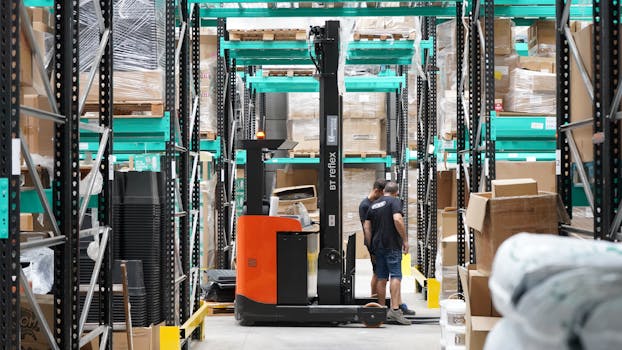
Warehousing & Inventory Management: Storing products efficiently and ensuring you have the right amount at the right time.
Transportation: Moving goods between all these stages.
Distribution: Getting products to retailers or directly to consumers.
Information Flow: The constant stream of data that keeps everything synchronized.
Financial Flows: The money that moves in the opposite direction of the goods.
It’s a symphony of coordination, where each player has a specific role, and their performance directly affects everyone else. In my experience, this intricate web is often underestimated until something goes wrong.
Navigating the Peaks and Valleys: Demand Forecasting and Its Importance
One of the trickiest parts of managing a supply chain is predicting what people will want, and when. This is where demand forecasting comes in. Imagine a bakery trying to figure out how many loaves of bread to bake for tomorrow. Too few, and they miss out on sales and disappoint customers. Too many, and they end up with stale bread and wasted resources. Businesses face this challenge on a much grander scale.
Accurate demand forecasting is an art and a science. It involves analyzing historical sales data, considering market trends, seasonal influences, promotional activities, and even external factors like economic conditions or competitor actions. Getting this right means:
Optimized Inventory: Avoiding costly overstocking or frustrating stockouts.
Efficient Production: Ensuring factories aren’t running too lean or too full.
Reduced Waste: Minimizing spoilage and obsolescence of goods.
Improved Customer Satisfaction: Customers can actually find what they’re looking for!
The challenge? The future is inherently uncertain. A sudden global event, a viral social media trend, or even a shift in consumer preferences can throw even the best forecasts out the window. This is why agile and responsive supply chains are so crucial.
The Ripple Effect: When Supply Chains Get Disrupted
We’ve all seen it, haven’t we? Those news headlines about chip shortages impacting car production, or port backlogs delaying the arrival of goods. These are prime examples of supply chain disruptions. They can be caused by a myriad of things: natural disasters, geopolitical conflicts, labor strikes, pandemics, cyberattacks, or even a single supplier’s inability to deliver.
The impact of a disruption can be profound and far-reaching:
beyond the “stuff”: what really makes your world go round? sits at the intersection of a few different threads worth pulling on. That connects naturally with supply, something covered in more depth over at thesindi.com. Worth keeping in mind if you’re exploring this further.
Production Halts: Factories can’t get the parts they need, leading to slowdowns or complete shutdowns.
Increased Costs: When supply is limited, prices naturally go up. This can lead to inflation.
Delayed Deliveries: Consumers experience longer waiting times for products.
Reputational Damage: Companies can lose customer trust if they can’t reliably deliver.
Building resilience into a supply chain is no longer a nice-to-have; it’s a necessity. This often involves diversifying suppliers, holding strategic buffer stock, investing in technology for better visibility, and developing contingency plans. It’s about preparing for the unexpected because, in today’s interconnected world, the unexpected is increasingly the norm.
The Tech Transformation: Digitizing the Flow of Goods
The supply chain is no stranger to innovation. Technology is constantly reshaping how goods move, how information is shared, and how decisions are made. We’re seeing a huge push towards digital supply chain solutions.
Think about it:
Internet of Things (IoT): Sensors on shipments can track location, temperature, and condition in real-time, giving unprecedented visibility.
Artificial Intelligence (AI) and Machine Learning (ML): These are revolutionizing demand forecasting, route optimization, and risk assessment. AI can analyze vast datasets to spot patterns that humans might miss.
Blockchain: This technology offers a secure and transparent way to track products from origin to consumer, enhancing trust and traceability, especially important for things like food safety or luxury goods.
Automation: From robots in warehouses to automated order processing, efficiency gains are enormous.
These technologies aren’t just about making things faster; they’re about making them smarter, more transparent, and more adaptable. They empower businesses to have a clearer view of their entire network, allowing for quicker responses to challenges and better decision-making.
Beyond the Warehouse: The Human Element in Supply Chains
While technology plays a massive role, it’s crucial to remember the human element. Behind every process, every decision, and every successful delivery, there are people. Logistics managers, procurement specialists, warehouse workers, truck drivers, customer service representatives – they are the backbone of the supply chain.
In my years working with different businesses, I’ve learned that a strong supply chain isn’t just built on efficient systems; it’s built on effective leadership, skilled teams, and strong relationships.
Collaboration: Open communication and trust between different partners in the chain are vital.
Skilled Workforce: The demand for professionals who can navigate complex systems, understand data, and manage risks is growing.
Ethical Practices: Ensuring fair labor practices and environmental sustainability throughout the chain is becoming increasingly important to consumers and regulators alike.
Ignoring the human aspect can lead to burnout, disengagement, and ultimately, a breakdown in the system. Acknowledging and investing in the people who make the supply chain work is as critical as any technological upgrade.
Wrapping Up: Become a Savvy Consumer
So, the next time you unwrap a purchase or enjoy a meal, take a moment to appreciate the incredible journey that product took to get to you. The supply chain is a marvel of modern engineering and human effort, a testament to our ability to connect and collaborate across vast distances.
Actionable Advice: Next time you notice a product delay or a price fluctuation, try to think about the potential supply chain factors at play. This simple shift in perspective can make you a more informed and empathetic consumer, and perhaps even spark an interest in the fascinating world that keeps our modern lives running.