Ever scrolled through a professional networking site and been immediately drawn to someone’s profile picture? Or perhaps you’ve noticed how certain headshots just feel more approachable, more trustworthy, or more dynamic than others? The truth is, a headshot photo is far more than just a digital representation of your face. It’s your first impression, a powerful communication tool, and often, the gateway to new opportunities. But what truly separates a mediocre snapshot from a compelling headshot? Let’s dive deep into the nuances of this essential professional asset.
The Subtle Art of the Professional Headshot: More Than Just a Pretty Face
In today’s visually driven world, your headshot serves as your digital handshake. Whether you’re an actor seeking your next role, a CEO addressing stakeholders, or a freelancer building your brand, a well-executed headshot photo conveys professionalism, approachability, and competence. It’s an investment in your personal brand, and like any good investment, it requires thoughtful consideration and execution.
Think about it: in milliseconds, a viewer forms an opinion based on what they see. A blurry, poorly lit, or overly casual photo can inadvertently send a message of disinterest or unprofessionalism, regardless of your qualifications. Conversely, a clear, well-composed, and appropriate headshot can open doors and build immediate rapport. It’s a silent but potent form of storytelling.
Decoding the Elements: What Makes a Great Headshot?
A truly effective headshot is a delicate balance of technical skill and artistic interpretation. It’s about capturing your essence, not just your likeness.
#### The Gaze: Connecting with Your Audience
One of the most critical elements is the direction of your gaze. Looking directly into the camera creates an immediate connection with the viewer, fostering trust and engagement. It’s like making eye contact in a conversation.
Direct Gaze: Ideal for most professional contexts, conveying confidence and approachability.
Slightly Off-Camera Gaze: Can sometimes convey a sense of thoughtfulness or contemplation, suitable for certain creative fields. However, for a primary professional headshot, direct is usually best.
#### Expression: Authenticity Over Forced Smiles
While a genuine smile can be disarming, it’s not always necessary or appropriate for every professional context. The goal is to capture a natural, confident expression that reflects your personality and the industry you’re in.
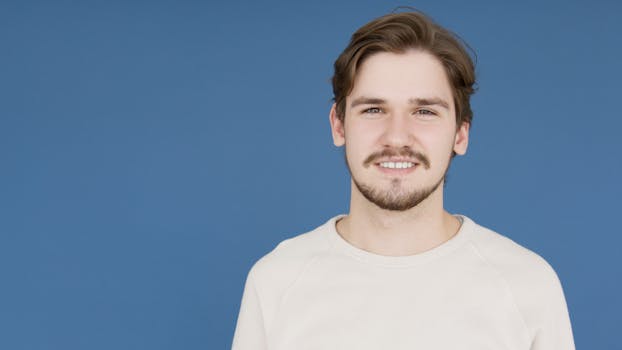
The Subtle Smile: A relaxed, natural smile that reaches your eyes is often more powerful than a wide, toothy grin. It conveys warmth and approachability.
Neutral Confidence: A confident, relaxed neutral expression can be equally effective, suggesting seriousness and focus.
Avoid: Forced smiles, squinting, or looking overly stern. Authenticity is key. In my experience, the best expressions are often captured when the subject feels relaxed and comfortable.
#### Lighting: The Sculptor of Your Features
Lighting is paramount in any photography, but it’s especially crucial for headshots. Good lighting sculpts your face, highlighting your best features and minimizing distractions.
Soft, Even Lighting: Typically achieved with diffused light sources, this is the standard for professional headshots. It avoids harsh shadows that can be unflattering.
Natural Light: Often preferred, a window on an overcast day can provide beautiful, soft illumination.
Avoid: Direct sunlight (which creates harsh shadows) or overly dim lighting that makes you look indistinct.
#### Background: Simplicity is Your Friend
The background should never compete with the subject. Its purpose is to provide context or a clean, uncluttered canvas.
There’s more nuance to beyond the smile: crafting a powerful headshot photo that speaks volumes than a quick skim usually reveals. You’ll often see headshots mentioned alongside this, and thesindi.com has more on that connection. A good next step if you’re curious to go further.
Plain/Gradient Backgrounds: These are the most common for professional headshots, ensuring the focus remains squarely on you.
Subtle Environmental Backgrounds: For certain industries (e.g., architecture, interior design), a slightly blurred background hinting at your work environment can be effective, but this is a more advanced technique.
Avoid: Busy patterns, distracting objects, or anything that pulls attention away from your face.
Beyond the Basics: Nuances for Specific Professions
The “perfect” headshot can vary significantly depending on your profession and the message you wish to convey.
#### For Actors and Performers: Versatility and Character
Actors often need a range of headshots that showcase their ability to portray different characters. A single, static expression won’t cut it.
Range of Expressions: From dramatic to comedic, your headshots should demonstrate your acting range.
Character-Driven: Consider headshots that hint at the types of roles you typically play or aspire to play.
Industry Standards: Familiarize yourself with what casting directors in your specific field expect.
#### For Business Professionals: Trust and Authority
For executives, entrepreneurs, and corporate professionals, headshots need to convey credibility, competence, and approachability.
Professional Attire: Typically a suit, blazer, or smart business casual.
Confident Demeanor: Projecting authority and trustworthiness.
Clean Backgrounds: Often a neutral or subtly branded background works best.
#### For Creative Professionals: Personality and Artistry
If you’re a designer, writer, artist, or in a similar creative field, your headshot can often reflect a bit more personality and artistic flair.
Unique Styling: Don’t be afraid to express your individual style through wardrobe and posing.
Environment Integration: A subtle incorporation of your creative space might be appropriate.
Authentic Expression: Showcasing your passion and unique perspective.
Selecting Your Photographer: A Crucial Step
Choosing the right photographer is as important as the pose or the lighting. Don’t just pick the cheapest option; look for someone who specializes in headshots and has a portfolio that resonates with you.
Review Portfolios: Do their headshots look natural and engaging?
Ask About Their Process: A good photographer will guide you through wardrobe choices, posing, and expression.
Consider Their Style: Do they lean towards a more traditional or a more contemporary look?
Common Pitfalls to Avoid in Your Next Headshot Photo Session
Even with the best intentions, certain mistakes can derail an otherwise promising headshot. Being aware of these can save you time and disappointment.
Over-Retouching: While minor edits are standard, excessive airbrushing can make you look artificial and less relatable. Authenticity is key.
Outdated Photos: Using a headshot that’s several years old can create a mismatch between your online presence and your actual appearance, leading to awkward first impressions.
Poor Wardrobe Choices: Clothing that is too distracting, ill-fitting, or inappropriate for your industry can detract from your face.
* Ignoring the Details: Things like messy hair, chipped nail polish, or wrinkled clothing can be surprisingly noticeable.
Wrapping Up: Your Headshot is Your Silent Advocate
In essence, your headshot photo is your silent advocate, working tirelessly to represent you when you’re not there. It’s a visual narrative that can either open doors or create unnecessary hurdles. By understanding the subtle yet powerful elements that contribute to a compelling headshot – from the direction of your gaze to the nuances of lighting and expression – you can create an image that not only looks good but also communicates effectively.
My advice? Treat your headshot session as a strategic opportunity. Prepare, communicate with your photographer, and aim for authenticity. The result will be an image that truly serves you, projecting the confidence, professionalism, and personality that will help you stand out and succeed.