Remember fumbling for cash at a checkout counter, or digging through a bulky wallet for that one specific card? For many of us, that’s becoming a distant memory. We’re increasingly entrusting our financial lives to a sleek, invisible force: the digital wallet. But what exactly is this digital guardian of our funds, and how does it weave its magic? It’s more than just an app; it’s a paradigm shift in how we interact with money and identity. Let’s peel back the layers and explore this fascinating evolution.
What Exactly Constitutes a Digital Wallet?
At its core, a digital wallet is an electronic device or online service that allows individuals to store and manage their payment information, such as credit card numbers, debit card details, loyalty program cards, and even digital versions of identification. Think of it as a virtual version of your physical wallet, but with far more capabilities. Instead of holding plastic and paper, it securely stores encrypted digital representations of these items.
This isn’t some futuristic fantasy; it’s happening right now on your smartphone, smartwatch, or even your computer. The convenience factor is undeniable, but understanding the underlying technology is crucial for appreciating its true potential and limitations.
#### More Than Just Storing Card Numbers
It’s a common misconception to think of a digital wallet as merely a digital Rolodex for credit cards. While storing payment credentials is a primary function, its true value lies in its ability to securely tokenize this sensitive information. Tokenization replaces actual card details with unique, randomly generated codes. This means that even if a hacker were to intercept the data, they’d get a useless token, not your actual account number. Pretty neat, right?
How Do These Virtual Purses Actually Work?
The magic behind a digital wallet often involves a blend of secure hardware and sophisticated software. When you add a card to your digital wallet, the app typically sends your card information to a payment network for verification. Once verified, a unique token is generated and securely stored on your device or in the cloud, linked to your account.
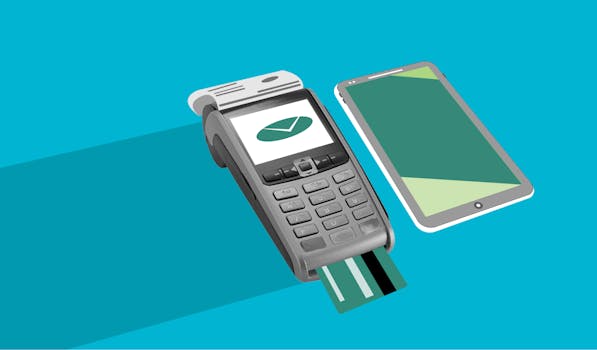
When you make a purchase, your device uses technologies like Near Field Communication (NFC) or QR codes to communicate with the payment terminal. The terminal receives the token, not your actual card number, and securely transmits it to the payment network for authorization. This entire process is designed to be swift and, most importantly, secure.
#### The NFC vs. QR Code Dance
You’ve likely seen both NFC-enabled payment terminals and those that require you to scan a QR code. NFC technology, commonly found in smartphones and smartwatches, uses short-range radio waves to establish a connection between your device and the payment terminal when they are brought close together. It’s the contactless payment method many of us are familiar with.
QR codes, on the other hand, are like digital barcodes. Your digital wallet app can display a QR code representing your payment, which the merchant’s scanner then reads. Conversely, a merchant’s QR code can be scanned by your phone to initiate a payment. Both methods offer a streamlined, often faster, transaction experience compared to traditional swiping or inserting a card.
Security: The Fort Knox of Your Finances?
This is where many eyebrows raise. How can something so convenient be truly secure? Digital wallets employ multiple layers of security to protect your financial data. Beyond tokenization, we’re talking about:
Encryption: All data transmitted and stored is scrambled, making it unreadable to unauthorized parties.
Biometric Authentication: Fingerprint scanners and facial recognition add a significant barrier to entry, ensuring only you can authorize transactions.
Device Passcodes: A strong passcode on your phone or smartwatch is the first line of defense.
Two-Factor Authentication (2FA): For online transactions or account access, 2FA often requires a secondary verification step, like a code sent to your phone.
In my experience, these security features provide a robust shield, often surpassing the security of a physical wallet which, if lost or stolen, can be exploited much more easily. However, vigilance is still key.
#### What About the “Cloud”?
It’s easy to skim past beyond the leather: decoding the digital wallet ecosystem, but there’s a fair bit worth unpacking there. Much of it ties back to payment, an area thesindi.com also spends time exploring. It’s a useful angle if this topic interests you.
Many digital wallets leverage cloud storage for certain data. This raises questions about data breaches. It’s important to remember that reputable digital wallet providers invest heavily in advanced cybersecurity measures for their cloud infrastructure. While no system is entirely impenetrable, the security protocols employed are generally far more sophisticated than what an individual can manage for their own personal data.
Beyond Payments: The Expanding Horizons of Digital Wallets
The evolution of the digital wallet is far from over. We’re already seeing them expand beyond mere payment tools to become comprehensive digital identity hubs. Imagine storing your driver’s license, vaccination records, event tickets, or even loyalty cards all within a single, secure application.
This integration promises to simplify many aspects of our lives. Think about airport security without fumbling for your boarding pass or ID, or easily presenting proof of vaccination without digging through emails. The digital wallet is becoming a central point for managing our digital selves.
#### Loyalty Programs and Beyond
Many retailers are integrating their loyalty programs directly into digital wallets. This means you can earn and redeem rewards seamlessly during a transaction, often without even needing to present a separate loyalty card. Some platforms are even enabling peer-to-peer payments, allowing you to send money directly to friends and family with just a few taps. The possibilities seem to be growing by the day.
Making the Switch: Is it for You?
Deciding whether to embrace the digital wallet is a personal choice, and it’s worth considering the pros and cons.
The Upsides:
Unparalleled Convenience: Faster checkouts, less to carry.
Enhanced Security: Tokenization and biometric authentication offer strong protection.
Organization: Consolidates payment methods, loyalty cards, and potentially other digital credentials.
Environmental Impact: Reduces the need for physical cards and paper receipts.
The Considerations:
Dependence on Devices: If your phone battery dies or is lost, you might be temporarily cashless.
Merchant Acceptance: While growing rapidly, not all merchants universally accept all forms of digital payments.
Initial Setup: Adding cards and verifying them can take a few minutes.
Privacy Concerns: Understanding how your data is used by wallet providers is important.
It’s an exploration, really. One could start by adding just one or two cards to a popular digital wallet app and see how it fits into their daily routine. The learning curve is generally quite gentle.
Wrapping Up: The Future is in Your Pocket (Digitally Speaking)
The digital wallet is more than just a technological fad; it’s a fundamental shift in how we manage our money, our identity, and our interactions in the digital age. From enhanced security through tokenization to the burgeoning potential of digital identity management, its influence is undeniable and its trajectory is upward. As adoption grows and technology advances, expect your digital wallet to become an even more indispensable tool, simplifying transactions and streamlining your life in ways we’re only just beginning to imagine. It’s an exciting time to be exploring the evolving landscape of digital finance.