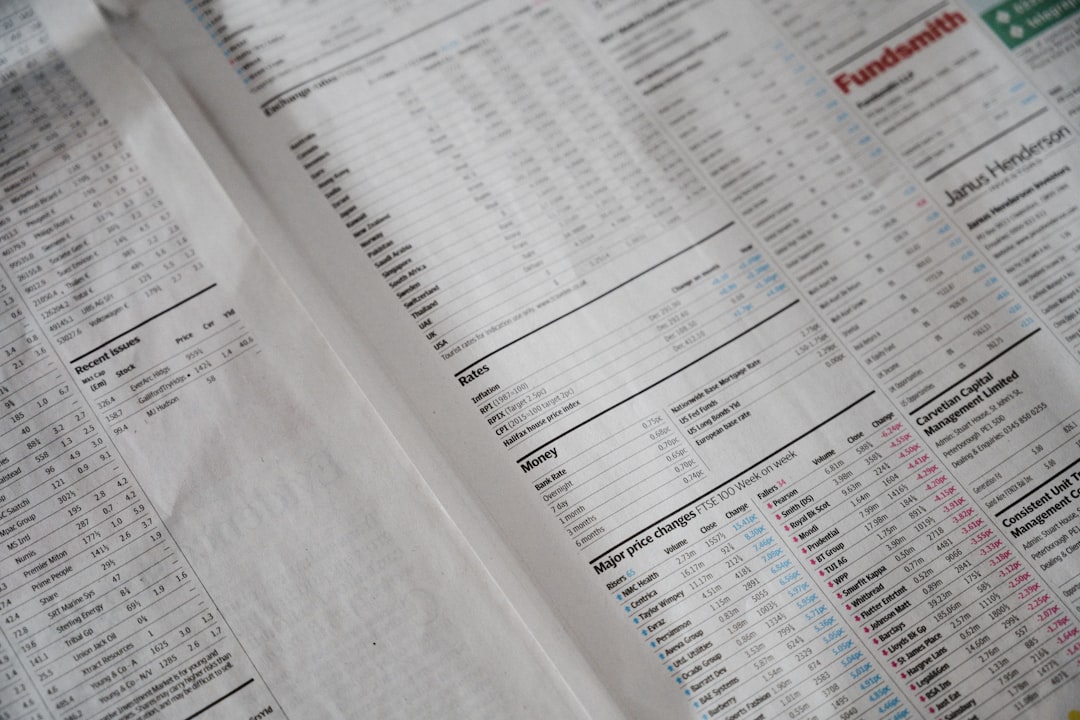
Ever stared at a financial statement, a transaction confirmation, or a service agreement and seen a line item that makes you squint? You know, those little charges that pop up, seemingly out of nowhere, often dressed in jargon that sounds more like an ancient incantation than a clear cost. And then there’s the phrase itself: “rollroll these feest conjures images of some sort of financial alchemy, doesn’t it? Like you’re supposed to magically transform these pesky charges into something… else. But what does it really mean to roll these fees, and more importantly, should you be doing it? Let’s unravel this mystery, with a touch of humor and a whole lot of practical advice.
The “Roll These Fees” Conundrum: More Than Just a Buzzword
When we talk about the idea of being able to “roll these fees,” we’re not typically talking about physically pushing them down a hill (though that sounds like a fun stress reliever, wouldn’t you agree?). In the financial realm, it usually refers to the ability to incorporate certain fees into a larger sum, often a loan or a new investment, rather than paying them upfront. Think of it as rolling your laundry into the washing machine instead of leaving it in a heap on the floor – tidier, and perhaps a little less overwhelming at first glance.
However, the specifics of which fees can be rolled, and how they’re rolled, are where the devil, and often the financial opportunity, truly lies. It’s not a universal magic trick; it’s a feature (or sometimes a cleverly disguised limitation) specific to certain financial products and services.
Unpacking the Different Flavors of “Rolling” Fees
So, what kinds of fees are we even talking about? And what does “rolling” them actually entail?
#### 1. Loan Origination & Closing Costs: The House-Buying Hustle
This is probably one of the most common scenarios where the concept of rolling fees comes into play. When you take out a mortgage, there are a mountain of fees: appraisal fees, title insurance, origination fees, recording fees, and so on. Sometimes, you have the option to roll these closing costs into your mortgage loan itself.
What it means: Instead of paying, say, $10,000 in closing costs out-of-pocket, that $10,000 gets added to your loan principal. You then pay interest on that $10,000 over the life of your mortgage.
The upside: This can be a lifesaver if you’re strapped for cash at closing. It allows you to get into your new home without a massive upfront cash outlay.
The downside: You’ll end up paying significantly more in interest over time. That $10,000 could easily become $15,000 or more by the time your mortgage is paid off. It’s like buying a nice dinner on credit – you get to enjoy it now, but you pay more for the privilege later.
#### 2. Student Loan Fees: Navigating the Education Maze
Student loans, especially private ones, can sometimes come with origination fees or other charges. In some cases, these fees might be rolled into the principal of the loan. This means you’re borrowing a little extra to cover the fee itself.
What it means: The fee is added to the amount you borrow, and interest accrues on it from the start.
The upside: Again, it can reduce immediate out-of-pocket expenses, which is often crucial for students.
The downside: Much like with mortgages, this increases the total amount you’ll repay over the life of the loan. The interest on that fee can add up, especially with longer repayment terms.
#### 3. Car Loans and Personal Loans: Convenience at a Cost
Similar to mortgages, car loans and some personal loans might offer the option to roll in fees like dealer fees, documentation fees, or even the cost of add-on products.
beyond the blockchain buzz: what if you could actually roll these fees? tends to connect to a wider set of ideas than people expect. You’ll often see fees mentioned alongside this, and thesindi.com has more on that connection. Something to consider if you want to dig deeper here.
What it means: The fee is added to the loan amount, and you pay interest on it.
The upside: Simplifies the immediate transaction, making the purchase seem more straightforward.
The downside: You’re financing those fees, meaning you pay interest on them. This can sometimes make the overall cost of the loan higher than if you had paid the fees upfront. It’s a classic trade-off: immediate convenience versus long-term cost.
#### 4. Investment Platform Fees: The Art of the Rollover
This is where “roll these fees” can take on a slightly different, and sometimes more positive, meaning. In the context of retirement accounts (like IRAs or 401(k)s), a “rollover” is a way to move funds from one retirement account to another, often to consolidate accounts or access different investment options. While not strictly “rolling fees,” the process can involve avoiding certain fees. If you’re rolling over from a plan with high administrative fees to one with lower fees, you’re essentially “rolling away” those costly charges.
What it means: Transferring retirement assets from one account to another, often with the goal of reducing fees or improving investment performance.
The upside: Can lead to significant savings over time due to lower expense ratios, management fees, or administrative charges. This is a smart financial move!
The downside: If done incorrectly (e.g., cashing out instead of rolling over), it can trigger taxes and penalties. It requires careful planning.
Is It Ever a Good Idea to “Roll These Fees”?
The million-dollar question, right? To roll these fees or not to roll? It’s not a simple yes or no. It entirely depends on your personal financial situation and your goals.
You might consider rolling fees if:
You’re cash-strapped at the moment: If paying a large sum of fees upfront would prevent you from making a crucial purchase (like a home) or cause significant financial hardship, rolling them into a loan might be your only viable option.
The interest rate on the loan is very low: If you’re securing a loan with an exceptionally low interest rate, the additional interest you’ll pay on the rolled-in fees might be minimal and worth the immediate cash flow relief.
You plan to pay off the loan quickly: If you intend to pay off the loan much faster than its term, the total interest paid on the rolled-in fees will be less significant.
You should generally avoid rolling fees if:
You have the cash available: Paying fees upfront is almost always cheaper in the long run because you avoid paying interest on them.
The loan interest rate is high: Rolling fees into a high-interest loan is like pouring gasoline on a fire. The cost will escalate rapidly.
You are looking to minimize long-term costs: If your primary goal is to pay the least amount of money possible over the life of the loan, paying fees upfront is the way to go.
The Art of Fee Negotiation and Avoidance
Before you even consider the option to roll these fees, remember that some fees are negotiable, and some can be avoided altogether.
Ask questions: Don’t be afraid to ask what each fee is for and if it can be reduced or waived. Lenders, dealers, and service providers often have some wiggle room.
Shop around: Different lenders and providers will have different fee structures. Comparing offers can reveal significant savings.
Read the fine print: This is the golden rule of finance. Understand exactly what you’re agreeing to before you sign anything.
Final Thoughts: Rolling with the Punches, Not the Fees
The concept of being able to “roll these fees” is essentially about deferring an expense. While it offers immediate relief for cash flow, it almost always comes with a higher long-term cost due to interest. It’s a tool, and like any tool, it can be used wisely or unwisely. In my experience, the most financially savvy approach is to pay fees upfront whenever possible, especially if you’re looking at a loan with anything more than a negligible interest rate. However, life happens, and sometimes, rolling those fees is the necessary step to move forward.
So, the next time you encounter a fee that makes you want to ponder the meaning of life (or at least the meaning of that specific charge), take a deep breath, do your math, and decide if rolling is the right move for your* financial journey. After all, aren’t we all just trying to roll with the punches, without getting bogged down by unnecessary expenses?