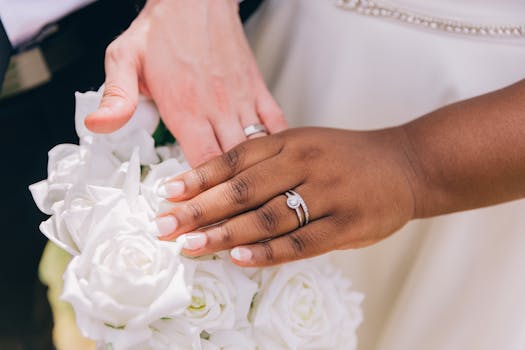
Did you know that the ancient Egyptians believed diamonds held the flames of love? Fast forward a few millennia, and while our understanding of metallurgy and gemology has (thankfully) advanced, the symbolism of a diamond set in gold for a wedding ring remains as potent as ever. But when you’re navigating the dazzling world of real gold diamond wedding rings, it’s easy to get lost in the sparkle. Let’s cut through the glitter and get down to the nitty-gritty, shall we? This isn’t just about pretty adornments; it’s about a significant investment and a lifelong declaration of commitment.
The Golden Question: Which Gold is Truly “Real”?
When we talk about “real gold” in the context of wedding bands, we’re usually referring to its purity. Gold is a soft metal, which is why it’s almost always alloyed with other metals to give it strength and durability for everyday wear. This is where karats come in.
24K Gold: This is pure gold. While it’s the most valuable, it’s also incredibly soft and prone to scratching and bending. You won’t find many wedding rings made entirely of 24K gold for this reason.
18K Gold: Comprising 75% pure gold, 18K offers a beautiful balance of richness and durability. It’s a popular choice for fine jewelry, including wedding rings.
14K Gold: With 58.3% pure gold, 14K is even more durable and generally more affordable than 18K. It’s a fantastic everyday choice for those who are very active.
10K Gold: This is the minimum standard to be considered “gold” in the US, containing 41.7% pure gold. It’s the most durable but has a less intense yellow hue.
The color of the gold also plays a role. While yellow gold is classic, white gold (alloyed with white metals like palladium or nickel, then often plated with rhodium) and rose gold (alloyed with copper) offer stunning alternatives. All are “real gold” when they meet the minimum purity standards.
Diamond Deciphered: Not All Sparkles Are Created Equal
The diamond is often the star of the show, and understanding its qualities is paramount. This is where the famous “4 Cs” come into play, and they’re not just for trivia buffs:
#### Clarity: The Diamond’s Inner Beauty (or Lack Thereof)
Clarity refers to the presence of internal inclusions (flaws) and external blemishes. Most diamonds have some, and it’s rare to find a completely flawless one.
Flawless (FL) & Internally Flawless (IF): These are exceptionally rare and come with a hefty price tag.
Very, Very Slightly Included (VVS1 & VVS2): Inclusions are difficult to see even under 10x magnification by a trained gemologist. For all intents and purposes, these are eye-clean.
Very Slightly Included (VS1 & VS2): Inclusions are minor and difficult to see under 10x magnification. Usually eye-clean.
Slightly Included (SI1 & SI2): Inclusions are noticeable under 10x magnification but may be eye-clean, especially SI1. This is often the sweet spot for value.
Included (I1, I2, I3): Inclusions are obvious under 10x magnification and may affect the diamond’s brilliance and durability. It’s generally advisable to avoid these for wedding rings.
When looking at real gold diamond wedding rings, I’ve often found that aiming for VS or SI clarity strikes a wonderful balance between pristine appearance and smart budgeting.
#### Cut: The Diamond’s Sparkle Engine
The cut refers to how well the diamond has been faceted. This is arguably the most important “C” because a well-cut diamond will reflect light beautifully, giving it that mesmerizing sparkle. Even a diamond with a higher color or clarity grade will look dull if it’s poorly cut.
Excellent/Ideal: Maximum brilliance, fire, and scintillation.
Very Good: Close to ideal, with only slight compromises.
Good: Still beautiful, but with more noticeable light leakage.
Fair/Poor: Significant light leakage, resulting in a dull appearance.
Don’t just trust the label; look at the diamond! Does it sparkle with life? That’s the sign of a good cut.
#### Color: The Absence of Hue
A lot of what makes beyond the bling: decoding real gold diamond wedding rings interesting only shows up once you spend real time with it. Much of it ties back to color, an area thesindi.com also spends time exploring. It adds some useful context either way.
Diamond color grades range from D (colorless) to Z (light yellow or brown). The less color, the rarer and more valuable the diamond.
D-F: Colorless. The most desirable and expensive.
G-J: Near-colorless. These diamonds appear colorless to the untrained eye, especially when set in gold, and offer excellent value.
K-M: Faint color. Can still be beautiful, particularly in yellow gold which can mask slight warmth.
N-Z: Very light to light color. Generally not recommended for engagement rings unless part of a specific design aesthetic.
For yellow gold settings, I often recommend looking at G-J color grades. They offer that bright, white sparkle without breaking the bank, and the gold beautifully complements their warmth.
#### Carat: The Diamond’s Weight (and Size)
Carat refers to the diamond’s weight, not its size. One carat is equal to 0.2 grams. While bigger is often better, a higher carat weight doesn’t automatically mean a more beautiful diamond. A poorly cut or low-clarity 2-carat diamond will likely look less impressive than a well-cut, high-clarity 1-carat diamond.
Beyond the Big Four: Setting Styles and Metal Considerations
The way your diamond is set can dramatically affect the ring’s overall look and how securely it’s held.
#### Popular Setting Styles:
Prong Setting: The diamond is held in place by metal prongs. This allows maximum light to enter the stone, enhancing its sparkle. Common variations include four-prong and six-prong settings.
Bezel Setting: A metal rim completely surrounds the diamond, offering excellent security. It gives a modern look and protects the diamond’s edges.
Pavé Setting: Tiny diamonds are set closely together across the band, creating a glittering “paved” surface. This adds significant sparkle but requires careful cleaning.
Channel Setting: Diamonds are set in a groove within the metal band, creating a smooth, sleek appearance with no prongs showing.
#### Metal Thickness and Comfort:
Don’t underestimate the importance of the band’s width and thickness. A thicker band is generally more durable and feels more substantial. A wider band can also better support larger diamonds or multiple stones. Consider your lifestyle – if you’re constantly using your hands, a comfort-fit band that’s slightly rounded on the inside will feel much better.
Caring for Your Real Gold Diamond Wedding Rings
These aren’t just accessories; they’re heirlooms in the making! Proper care ensures they retain their beauty for generations.
Regular Cleaning: A gentle soak in warm water with a mild dish soap, followed by a soft-bristled toothbrush to gently scrub away dirt, can do wonders. Rinse thoroughly and dry with a lint-free cloth.
Avoid Harsh Chemicals: Perfumes, hairsprays, lotions, and household cleaners can dull the shine of both the gold and the diamond. Put your rings on after you’ve applied these.
Professional Check-ups: Have your ring inspected by a jeweler annually. They can check that the settings are secure and polish out minor scratches.
Storage: When not wearing your ring, store it in a soft-lined jewelry box or pouch to prevent scratching from other pieces.
The Enduring Appeal: Why Real Gold Diamond Wedding Rings Still Reign Supreme
In a world of fleeting trends, the real gold diamond wedding rings stand as a testament to timeless elegance and unwavering commitment. They are not merely objects of beauty but powerful symbols of a bond that, like gold, is precious, enduring, and meant to last a lifetime. When you choose a real gold diamond wedding ring, you’re not just selecting jewelry; you’re investing in a legacy.
Final Verdict: Invest Wisely, Cherish Forever
Ultimately, finding the perfect real gold diamond wedding rings is a journey of personal discovery. It’s about understanding the materials, appreciating the craftsmanship, and selecting a piece that speaks to your unique love story. Don’t be afraid to ask questions, do your research, and trust your instincts. Because when you find that* ring, the one that feels just right, you’ll know it’s more than just a purchase – it’s the beginning of a beautiful, sparkling chapter.