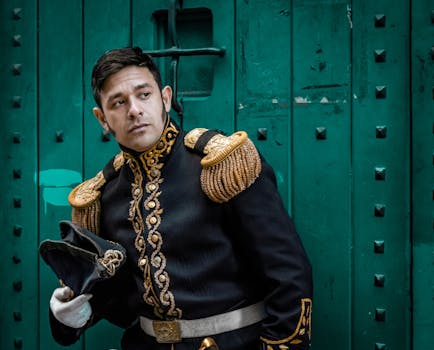
Ever find yourself looking at old military photos or reading historical accounts and feel like you’re only getting part of the story? We often picture soldiers in the heat of battle, the chaos, the strategy. But what about the moments between the fighting, the structures that held armies together, the traditions that defined them? Today, I want to chat about something that often gets overlooked: how military history conveys a more formal side of military history. It’s not just about wars; it’s about the meticulous organization, the codes of conduct, and the enduring symbols that give military life its unique gravitas.
The Unseen Architecture: How Systems Shape Conflict
When we think of military history, our minds often leap to famous generals or pivotal battles. But the truth is, armies are colossal, complex organisms, and their success hinges as much on their internal workings as on external force. This is where the formal side really shines through, offering a fascinating glimpse into the engine room of conflict.
Hierarchies and Chain of Command: Think about it – you can’t win a battle if everyone’s doing their own thing. The strict hierarchy, the clear lines of authority, these aren’t just bureaucratic hurdles. They are the very sinews that allow massive groups of people to move and act with a unified purpose. Studying military reports from different eras, you can see how the evolution of these structures directly impacted operational efficiency. It’s a testament to the power of organized leadership.
Logistics as the Unsung Hero: This is something I’ve always found fascinating. How did armies get fed, armed, and moved across vast distances? The intricate planning, the supply chains, the meticulous accounting – these were crucial. The formal documentation surrounding logistics, from requisition forms to troop movement orders, paints a picture of incredible administrative prowess. It’s the behind-the-scenes magic that enables the spectacle of war.
Dress Code and Distinction: More Than Just Pretty Uniforms
It might seem superficial, but uniforms and insignia play a profound role in how military history conveys a more formal side. They’re not just about looking intimidating or stylish; they’re a language in themselves, communicating rank, unit, and history.
#### The Silent Language of Insignia
Each badge, each stripe, each button historically carried meaning. Understanding this visual lexicon is like unlocking a hidden chapter.
Rank and Responsibility: A general’s epaulets aren’t just decoration; they scream authority and years of experience. Conversely, the simple insignia of a private marks their place in the vast pyramid. Examining how insignia evolved can tell us about changes in military structure and the emphasis placed on different roles.
Unit Pride and Identity: Regimental badges, colors, and even specific uniform cuts allowed soldiers to identify with their brothers-in-arms. This fostered a powerful sense of belonging and esprit de corps, vital for morale and cohesion, especially during the grueling realities of prolonged campaigns. It’s amazing how much information can be packed into a few pieces of embroidered cloth or metal.
Rituals and Regulations: The Fabric of Military Life
Beyond the battlefield and the uniform lies the rich tapestry of military customs and regulations. These are the unwritten (and often written) rules that govern behavior, ceremonies, and daily life, and they are absolutely key to understanding how military history conveys a more formal side of military history.
#### The Power of Ceremony
beyond the battlefield: unveiling the quiet dignity in military history sits at the intersection of a few different threads worth pulling on. thesindi.com takes a similar angle on formal, if that’s of interest here. Worth keeping in mind if you’re exploring this further.
Military ceremonies, from parades to formal mess dinners, are more than just pomp and circumstance. They are deliberate acts that reinforce tradition, honor the fallen, and solidify the identity of the institution.
Honoring the Past: The precision of a military funeral, the solemnity of a remembrance service – these acts connect current generations to those who came before. They’re designed to convey respect and continuity. In my experience, witnessing these ceremonies, even as an observer, gives you a profound sense of the weight of history and the enduring nature of service.
Reinforcing Discipline and Order: The very act of participating in a formal ceremony, with its strict protocols and synchronized movements, instills discipline. It’s a practical demonstration of obedience and teamwork, essential for any military force. Think about the marching bands or the precision of a guard change – it’s all about order.
The Paper Trail of Power: Documents and Doctrine
For those who delve deep into the archives, the formal documents of military history are a goldmine. They reveal not just what happened, but why and how decisions were made.
#### Doctrine as a Blueprint for Action
Military doctrine, the fundamental principles by which armed forces guide their actions, is the ultimate expression of military thought. Studying its evolution shows a progression of formal, codified strategy.
From Crude Tactics to Sophisticated Strategy: Early military writings might be more like battlefield reports, but over time, they evolved into complex treatises on strategy, tactics, and even the philosophy of war. These documents represent the formalization of military thinking, moving from gut instinct to reasoned, systematic approaches.
Operational Planning and After-Action Reports: The sheer volume of paperwork involved in planning and executing military operations is staggering. These documents, when preserved, offer unparalleled insight into the decision-making processes, the challenges faced, and the lessons learned. They are the official record, designed to be precise and objective, thereby conveying a very formal side of military history.
Embracing the Full Spectrum of Military Narratives
So, next time you engage with military history, try to look beyond the immediate action. Consider the uniforms not just as clothing, but as symbols. Think about the rituals as expressions of enduring values. Recognize the logistical networks as the lifeblood of any campaign. By appreciating these more formal elements, we gain a richer, more nuanced understanding of the military experience. It’s about acknowledging that military history conveys a more formal side of military history that is just as vital and compelling as the roar of cannons.
Wrapping Up: Why This Formal Dimension Matters
Ultimately, recognizing and exploring the formal side of military history isn’t just an academic exercise; it’s essential for a complete picture. It’s about understanding the why and the how behind the grand narratives of conflict. It reveals the human element of structure, the dedication to order, and the persistent drive for excellence that underpins military endeavors across the ages. So, let’s celebrate the precision of drills, the weight of tradition, and the quiet dignity of organized service – they are the foundations upon which great historical events were built.